Download Remit5 App



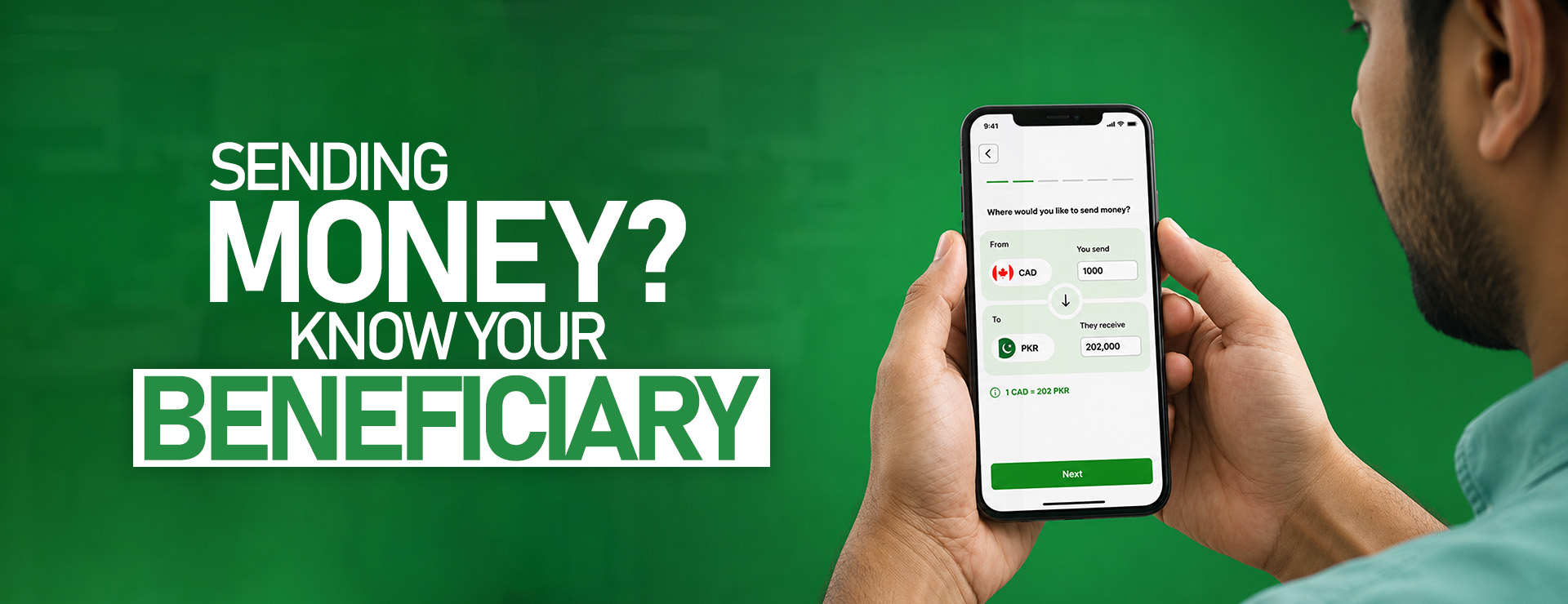
When you send money through a bank or an online transfer service, you may be asked to enter the details of a beneficiary. The term can sound technical, but its meaning is simple.
A beneficiary is the person, company, or organisation that receives the money. In everyday language, the beneficiary is the recipient of the transfer.
For example, if you send money to a family member, that family member is the beneficiary. If you pay an overseas supplier, the supplier is the beneficiary. You can also be the beneficiary when transferring money between two bank accounts that belong to you.
Understanding this term is important because entering the correct beneficiary details helps your money reach the right person without unnecessary delays.
In banking, a beneficiary is the intended receiver of a payment. When you make a transfer, the sender gives instructions to the bank, while the beneficiary receives the funds.
Banks may ask you to add a beneficiary before making a payment. This usually means saving the recipient’s information in your online or mobile banking account.
Once the beneficiary is saved, you can select their name for future payments instead of entering all the details again.
Some banks and transfer services use different words for a beneficiary, including:
Although the wording may be different, these terms usually describe the person or organisation receiving the money.
A beneficiary can be an individual, a business, a charity, or another type of organisation. It does not have to be someone related to you.
Common examples include:
Depending on the transfer method, the beneficiary may receive the money in a bank account, digital wallet, mobile account, or through a cash pickup service.
The required details depend on the destination country, currency, bank, and type of transfer.
For a domestic payment, you may only need the beneficiary’s name and account number. International transfers often require more information.
You may be asked to provide:
The beneficiary’s name should match the name registered on the receiving account. Using a nickname, shortened name, or incorrect spelling may cause the payment to be delayed or rejected.
Ask the beneficiary to copy their details directly from their banking app, bank statement, or official account document.
A beneficiary account is the bank or payment account where the money will be deposited.
The account may belong to another person, a business, or the sender. For example, if you move money from your current account to a savings account in your own name, you are the beneficiary of that transfer.
In most cases, however, the sender and beneficiary are different people. The sender authorises the payment, and the beneficiary receives it.
Banks collect beneficiary information to make sure the payment goes to the correct destination. These details also help banks meet security, fraud prevention, and financial compliance requirements.
Saving beneficiaries also makes repeat payments easier. Once a recipient has been added, you can usually select their name from a saved list.
A bank may require extra verification when you add a new beneficiary. You might need to enter a one-time password, approve the request through an app, or wait for a short security period.You may need:
These checks help prevent unauthorised transfers. If someone gains access to your bank account, they may not be able to add a new recipient and send money immediately.
For most money transfers, a beneficiary and a recipient are the same thing. Both terms refer to the person or organisation receiving the payment.
There can be slight differences depending on the payment method. For a bank transfer, the beneficiary is usually the holder of the receiving account. For a cash pickup transfer, the recipient is the person authorised to collect the money.
The word beneficiary is also used in other financial situations. For example, an insurance beneficiary receives an insurance payout, while a beneficiary named in a will may receive money or property.
In a normal bank or international money transfer, it simply means the receiver of the funds.
Incorrect beneficiary information can cause serious problems.
If the account number does not exist, the receiving bank may reject the transfer and return the money. This process can take several business days, and some fees may not be refunded.
If the account number belongs to another person, the money could be deposited into the wrong account. Recovering it may be difficult because the payment was authorised using the information entered by the sender.
An incorrect name may lead to additional checks, while a wrong IBAN, routing number, or bank code may cause the transfer to fail.
Always review the beneficiary’s details before confirming the payment. Pay close attention to long account numbers, as a single incorrect digit can create a problem.
Changing beneficiary details after a transfer has been submitted is not always possible.
If the payment is still pending, the bank or transfer provider may be able to cancel it. You can then create a new payment using the correct details.
If the transfer has already been processed, deposited, or collected, cancelling it may be much harder. The provider may need to contact the receiving bank, and there is no guarantee that the money will be recovered.
Contact your bank or transfer service immediately if you notice a mistake. The sooner you report it, the better the chance of stopping or correcting the transaction.
Do not send the payment again until you know what happened to the original transfer.
Some banks allow you to use a new beneficiary immediately after completing verification. Others apply a waiting period for security reasons.
The delay may last a few minutes, several hours, or until the next business day. Waiting periods are more common for first-time payments, large transfers, or unusual account activity.
Online transfer services may allow you to enter recipient information while creating the payment instead of saving it in advance. However, identity checks or payment reviews can still delay the transaction.
For an urgent payment, add the beneficiary before the payment deadline.
Always confirm payment details through a trusted source. Scammers sometimes pretend to be suppliers, landlords, employees, or relatives and ask people to send money to a new account.
Before adding a beneficiary:
For a large transfer, consider sending a small test payment first. Once the beneficiary confirms that the money arrived, you can send the remaining amount.
A beneficiary in a money transfer is the person, business, or organisation that receives the funds. Banks and money transfer services need accurate beneficiary information to deliver the payment to the correct account.
Adding a beneficiary is usually straightforward, but every detail matters. A wrong name, account number, IBAN, or bank code can delay the payment or send it to the wrong place.
Always verify the information before confirming a transfer. Taking a few extra minutes to check the beneficiary’s details can prevent delays, extra charges, and the stress of trying to recover a mistaken payment.