What Is an IBAN, SWIFT Code, and BIC? An Australian Sender's Guide
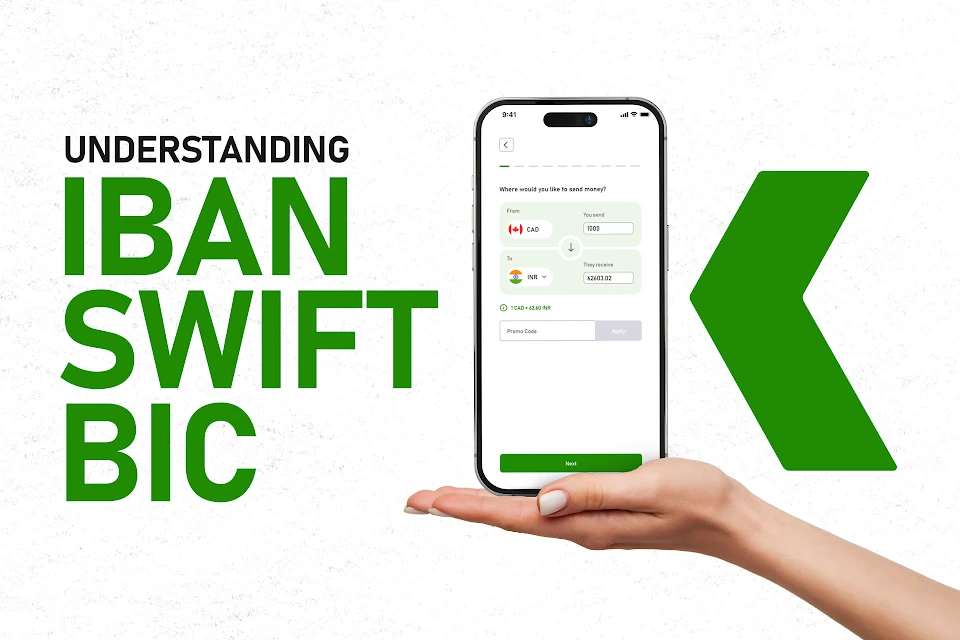
If you are sending money overseas from Australia, you may be asked for an IBAN, SWIFT code, or BIC. These details help identify the recipient's account and bank so an international payment can be routed correctly.
What Is an IBAN?
An IBAN, or International Bank Account Number, is a standardised format used to identify a specific bank account. It is widely used across Europe and in several other countries for domestic and international payments.
The exact format varies by country, but an IBAN can contain up to 34 letters and numbers, including a country code, check digits, and account information.
If you are sending money from Australia to an IBAN-using country, ask the recipient for their full IBAN exactly as shown by their bank. Do not try to create one from an ordinary account number.
Do Australian Bank Accounts Use IBANs?
No. Australian bank accounts do not use IBANs. Australian accounts generally use a BSB and account number, while international transfers may also require the bank's SWIFT/BIC code.
This is important if you are searching for an IBAN in Australia. If somebody overseas wants to send money to your Australian account and asks for an IBAN, check your bank's incoming international transfer instructions instead. Australian banks generally require a BSB and account number rather than an IBAN.
What Is a SWIFT Code?
A SWIFT code is an international identifier used to identify a bank or financial institution. It is commonly required when money is sent between banks in different countries.
A SWIFT code is usually 8 or 11 characters long. The code identifies the institution, country and location, while an optional final three characters may identify a specific branch.
For an international transfer from Australia, you will often need the recipient bank's SWIFT code along with the recipient's account details.
What Is a BIC?
A BIC, or Business Identifier Code, is an internationally recognised identifier for a financial or other business institution. In everyday banking, BIC and SWIFT code are commonly used as names for the same bank identifier.
A BIC normally contains eight characters, with an optional additional three characters identifying a particular branch. If a transfer form asks for a SWIFT/BIC code, it is generally asking for the same type of bank identifier.
IBAN vs SWIFT Code vs BIC: What Is the Difference?
The main difference between an IBAN, SWIFT code, and BIC is what each one identifies. An IBAN identifies a specific bank account, while a SWIFT code identifies the bank or financial institution handling the payment. A BIC is essentially the formal name for the identifier commonly referred to as a SWIFT code.
For example, if you are sending money from Australia to a bank account in a European country, you may be asked for both the recipient's IBAN and the receiving bank's SWIFT/BIC. The IBAN tells the payment system which account should receive the money, while the SWIFT/BIC helps identify the bank responsible for that account.
When comparing IBAN vs SWIFT code, the easiest way to remember the difference is that an IBAN relates to the recipient's account, while a SWIFT/BIC relates to the recipient's bank.
What Bank Details Do Australians Need to Send Money Overseas?
Australians usually need the recipient's personal details, account details, and receiving bank information. Exact requirements depend on the destination country, bank and money transfer provider.
Common bank details for an international transfer include:
- ● Recipient's full legal name
- ● Recipient's address
- ● Account number or IBAN
- ● Receiving bank name
- ● SWIFT/BIC code
- ● Branch, routing or national clearing code if required
- ● Transfer amount and currency
- ● Payment purpose or reference where required
Some countries use additional banking identifiers. For example, the United States may require a routing number, the United Kingdom may use a sort code, and IBANs are commonly required across much of Europe.
Your bank or international money transfer provider should tell you which details are required before you submit the transfer.
Where Can You Find an IBAN, SWIFT Code or BIC?
The safest way to find an IBAN, SWIFT code, or BIC is to ask the recipient to provide the details exactly as shown by their bank. This reduces the risk of entering incorrect information.
These details can often be found through:
- ● Online banking or the bank's mobile app
- ● An official bank statement
- ● The receiving bank's website
- ● International payment instructions provided by the bank
- ● A verified lookup tool from a bank or money transfer provider
If you are unsure whether a code is correct, confirm it with the recipient or receiving bank before sending money.
Common Mistakes When Entering International Bank Details
A small mistake in international bank details can delay a payment or cause it to be rejected. Always review the information carefully before confirming an international transfer.
One common mistake is entering an incorrect IBAN or account number. Because these numbers can be long, it is easy to miss a character or type one incorrectly.
Another mistake is confusing different banking identifiers. An Australian BSB, for example, is not the same as a SWIFT code. Similarly, an IBAN should not be replaced with a standard account number when the receiving country specifically requires an IBAN.
Other common problems include using an outdated SWIFT/BIC, entering a nickname instead of the recipient's legal account name, forgetting a required routing or clearing code, or selecting the wrong currency.
If possible, copy the banking information directly from a trusted source and check the details again before sending.
Why Do IBAN, SWIFT and BIC Codes Matter?
IBANs, SWIFT codes and BICs help banks and money transfer providers identify where an international payment needs to go. Accurate banking information helps reduce avoidable delays, rejected transactions and routing problems.
International transfers may pass through several financial systems before reaching the recipient. Standardised identifiers make it easier for those systems to recognise the correct bank and account.
When using an international money transfer Australia service, entering the correct details from the beginning can make the transfer process much smoother. Always use the banking information supplied by the recipient or their bank.
Frequently Asked Questions
Is an IBAN the Same as a SWIFT Code?
No. An IBAN identifies a specific bank account, while a SWIFT/BIC identifies the bank or financial institution. Some international transfers require both.
Does Australia Have IBAN Numbers?
No. Australian bank accounts do not use IBANs. They generally use a BSB and account number, while international transfers may also require the bank's SWIFT/BIC code.
Are SWIFT Code and BIC the Same?
Yes, in everyday international banking, SWIFT code and BIC generally refer to the same bank identifier. You may see it written as a SWIFT code, BIC or SWIFT/BIC.
Do I Need an IBAN to Send Money From Australia to Europe?
In many cases, yes. Many European countries use IBANs, so you will usually need the recipient's IBAN when transferring money from Australia to a European bank account.
What Happens if I Enter the Wrong SWIFT Code?
An incorrect SWIFT code may cause your transfer to be delayed, rejected or sent through the wrong banking route. Contact your transfer provider as soon as possible if you notice an error after submitting a payment.
Can I Send Money Overseas With Only an Account Number?
Sometimes, but an account number alone is often not enough. Depending on the destination, you may also need a SWIFT/BIC, IBAN, routing number, sort code or another national banking identifier.
How Many Digits Are in an IBAN?
An IBAN can contain up to 34 letters and numbers, but the exact length depends on the country. Each country that uses IBANs has its own fixed format, so you should always use the full number provided by the recipient's bank.
How Do I Find a Bank's SWIFT or BIC Code?
You can usually find a bank's SWIFT or BIC code on its official website, in online banking, on a bank statement, or in its international transfer instructions. If you are unsure, ask the recipient to confirm the correct code with their bank.
Is a BSB the Same as a SWIFT Code in Australia?
No. A BSB identifies an Australian bank branch for domestic banking, while a SWIFT code identifies a bank or financial institution for international payments. You may need both a BSB and SWIFT/BIC when receiving money into an Australian bank account from overseas.
Does Every Country Use an IBAN?
No. IBANs are widely used in Europe and several other regions, but many countries, including Australia, do not use them. Other countries rely on account numbers together with local routing codes and SWIFT/BIC details.
Before You Send
Before making an international money transfer from Australia, confirm the recipient's legal name, account number or IBAN, receiving bank name and SWIFT/BIC. You should also check whether the destination country requires an additional routing or clearing code.
Getting the bank details for an international transfer right from the beginning can help prevent unnecessary delays and rejected payments. When you are ready to send money overseas, our money transfer service can help you complete your international transfer using the required recipient and banking details.
When you are ready to send money overseas, Remit5 provides a safe, secure and convenient international money transfer service for customers in Australia, helping make international payments simple, transparent and reliable.