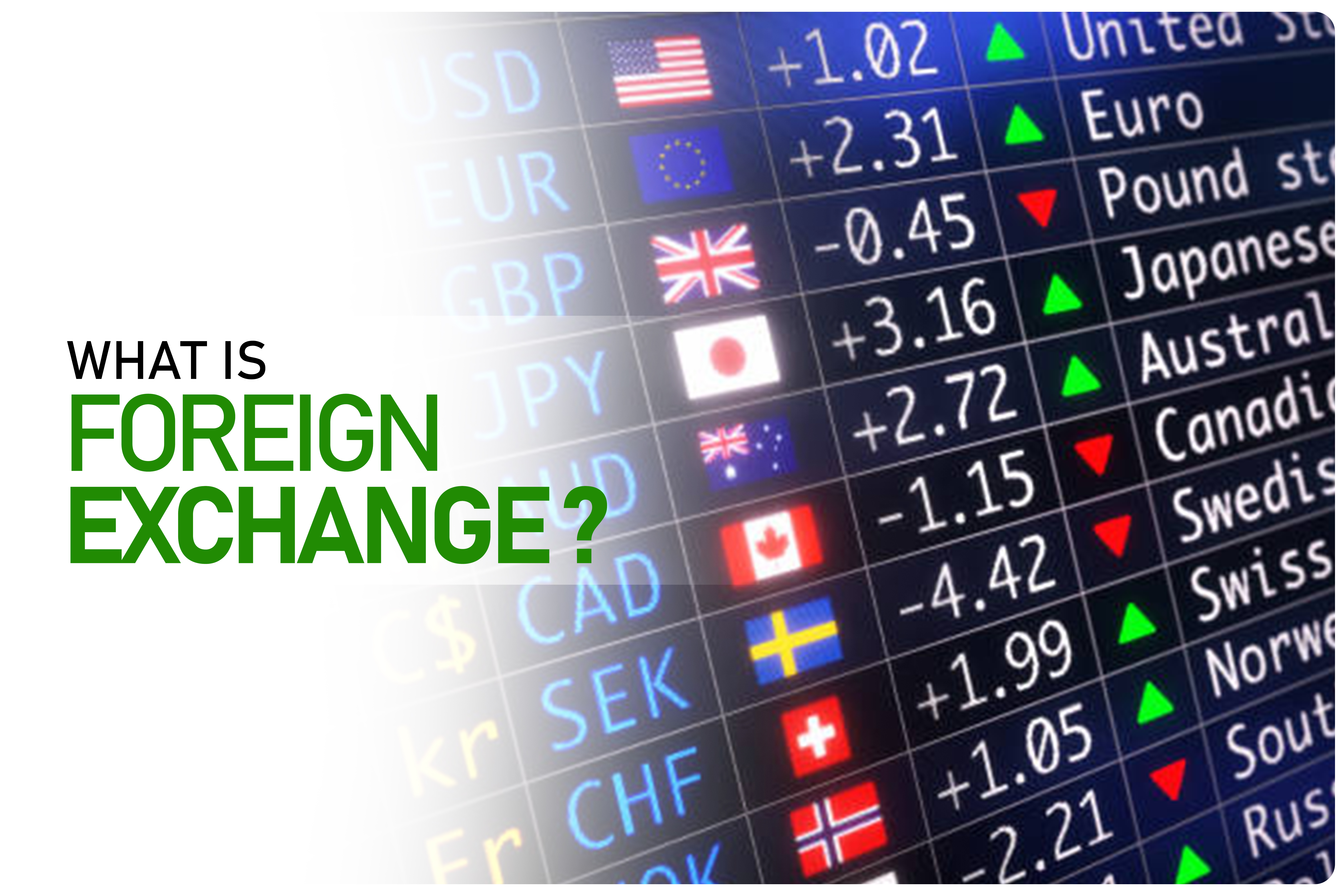
What Is Foreign Exchange? A Complete Guide for Beginners in Canada
What Is Foreign Exchange? A Complete Guide for Beginners in Canada
Foreign exchange, often referred to as forex or FX, is the process of converting one currency into another. It plays a central role in global trade, international travel, investing, and cross-border money transfers. Whether you are sending funds to family abroad, paying for services in another country, or travelling outside Canada, foreign exchange is happening behind the scenes.
In this guide, you’ll learn what foreign exchange is, how it works, what affects exchange rates, and why it matters especially for Canadians who regularly deal with international payments.
Understanding Foreign Exchange (Forex)
Foreign exchange refers to the global marketplace where currencies are traded. For example, if you exchange Canadian dollars (CAD) for U.S. dollars (USD), you are participating in the foreign exchange market.
Unlike stock markets, forex operates 24 hours a day, five days a week. It is decentralised, meaning there is no single exchange. Instead, banks, financial institutions, governments, corporations, and individuals trade currencies electronically across global networks.
At its core, the foreign exchange market (forex) makes international commerce possible.
Simple Example
Imagine you live in Canada and want to send money to Pakistan or India. Your Canadian dollars must be converted into Pakistani rupees (PKR) or Indian rupees (INR). That conversion happens at a specific exchange rate. This is foreign exchange in action.
How Do Exchange Rates Work?
An exchange rate tells you how much one currency is worth compared to another.
For example:
- ● 1 CAD = 0.75 USD
- ● 1 CAD = 205 PKR
Exchange rates constantly change due to supply and demand in the global market.
Two Types of Exchange Rates
1. Floating Exchange Rate
Most major currencies, including the Canadian dollar, operate under a floating system. The rate changes based on market conditions.
2. Fixed Exchange Rate
Some countries peg their currency to another currency (like the U.S. dollar) to maintain stability.
What Affects Exchange Rates?
Several economic and political factors influence currency values:
1. Interest Rates
When a country raises interest rates, its currency often strengthens because investors seek higher returns.
2. Inflation
Countries with low and stable inflation typically have stronger currencies.
3. Economic Stability
Strong employment numbers, GDP growth, and trade performance can boost a currency.
4. Political Events
Elections, policy changes, or global conflicts can create uncertainty and cause fluctuations.
5. Market Sentiment
Sometimes currency movements are driven by investor confidence or speculation.
Understanding these factors helps individuals make smarter decisions when exchanging or sending money internationally.
The Foreign Exchange Market Structure
The forex market operates at different levels:
- ● Central Banks – Influence currency supply and interest rates.
- ● Commercial Banks – Conduct large currency trades.
- ● Businesses – Exchange currencies for imports and exports.
- ● Retail Consumers – Exchange money for travel or remittances.
- ● Money Transfer Services – Facilitate international transfers.
In Canada, foreign exchange activity is closely monitored by institutions like the Bank of Canada, which plays a key role in monetary policy and financial stability.
Why Foreign Exchange Matters to Canadians
Foreign exchange impacts daily life more than many people realise.
For Travelers
If you are visiting the U.S. or Europe, the exchange rate determines how much spending power your Canadian dollars have.
For Immigrants and International Families
Many Canadians send money abroad regularly. Understanding exchange rates helps you choose the right time to transfer funds and potentially save on conversion costs.
You can learn more about practical strategies in guides like International Money Transfer from Canada available on the Remit5 blog.
For Online Shoppers
Buying products priced in USD? The forex rate determines your final cost.
For Businesses
Canadian companies importing goods or paying overseas suppliers rely heavily on foreign exchange.
For example, if a Toronto-based company imports machinery from Germany, currency fluctuations between CAD and EUR directly affect profitability.
What Is the Forex Market Size?
The forex market is the largest financial market in the world. According to global financial reports, daily trading volume exceeds trillions of dollars. This makes it more liquid than stock or bond markets.
Liquidity means currencies can be bought or sold quickly without drastically affecting prices. This helps keep the market efficient and accessible.
Currency Pairs Explained
In forex, currencies are traded in pairs.
For example:
- ● CAD/USD
- ● USD/PKR
- ● CAD/INR
The first currency is called the base currency, and the second is the quote currency.
If CAD/USD is 0.75, it means 1 Canadian dollar equals 0.75 U.S. dollars.
Major currency pairs usually involve strong global currencies like the U.S. dollar, euro, Japanese yen, and British pound.
Spot Rate vs. Forward Rate
Spot Rate
The current exchange rate for immediate conversion.
Forward Rate
A rate agreed upon today for currency exchange at a future date. Businesses often use forward contracts to reduce risk from currency fluctuations.
Risks in Foreign Exchange
- ● Volatility Risk – Rates can change rapidly.
- ● Transaction Fees – Banks and exchange providers may charge hidden fees.
- ● Timing Risk – Waiting too long can lead to a worse rate.
To reduce risk:
- ● Monitor currency trends.
- ● Compare exchange providers.
- ● Understand the total cost of conversion, not just the advertised rate.
Educational content, such as Best Time to Send Money Abroad on financial blogs, can help individuals make informed decisions.
Forex Trading vs. Currency Exchange
Forex Trading
Buying and selling currencies to profit from price changes. This involves a higher risk and requires market knowledge.
Currency Exchange for Remittances
Converting money for practical needs such as travel, education payments, or family support.
Most individuals interacting with foreign exchange are not traders; they are simply exchanging currency for real-world purposes.
Tips for Getting Better Exchange Rates in Canada
- ● Compare rates across banks and money transfer services.
- ● Check the mid-market rate as a reference.
- ● Avoid airport exchanges due to higher margins.
- ● Monitor CAD trends before large transfers.
- ● Transfer during stable economic periods if possible.
You may also find useful insights in resources covering How Exchange Rates Affect Money Transfers on Canadian-focused financial blogs.
How Technology Is Changing Foreign Exchange
Digital platforms have made currency exchange more transparent and accessible. Today, Canadians can:
- ● Track real-time rates online.
- ● Set rate alerts.
- ● Compare fees instantly.
- ● Transfer funds internationally within minutes.
Fintech innovation has significantly reduced reliance on traditional banking systems for cross-border transactions.
Final Thoughts
Foreign exchange is a vital part of the global economy. It affects travellers, businesses, students, and families across Canada every day. By understanding how exchange rates work and what influences them, you can make smarter financial decisions.
Whether you are sending money abroad, shopping internationally, or managing business payments, knowledge of foreign exchange empowers you to navigate currency markets confidently.
Staying informed through trusted financial resources and monitoring exchange trends can help you minimise costs and avoid unnecessary surprises.